I serve as Research Coordinator and Research Officer for three leading neuroscience laboratories at the University of Montreal, contributing to cutting-edge research in auditory processing, cognitive neuroscience, and vestibular science.
The Tinnitus and Hyperacusis Research Laboratory
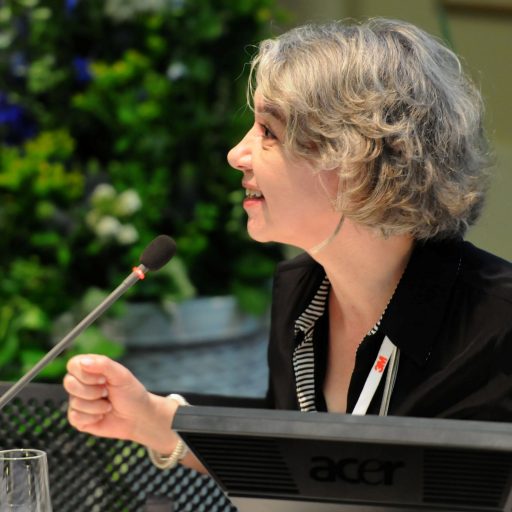
Principal Investigator: Dr. Sylvie Hébert
My Role: Research Coordinator
I coordinate research activities focused on auditory processing, tinnitus, and hearing disorders. My responsibilities include:
- Project Management: Overseeing multiple concurrent research projects
- Data Collection: Coordinating EEG recordings and audiometric assessments
- Data Analysis: Signal processing and statistical analysis of neurophysiological data
- Participant Coordination: Managing recruitment and scheduling
- Quality Control: Ensuring data integrity and methodological rigor
Research Focus
The Tinnitus and Hyperacusis Research Laboratory investigates:
- Tinnitus characterization and treatment: Developing psychoacoustical methods to better diagnose tinnitus and study how interventions modify the tinnitus percept
- Tinnitus distress and co-morbidities: Understanding why 1-2% of tinnitus sufferers experience severe distress, focusing on stress and sleep interactions
- Hyperacusis mechanisms: Investigating abnormal sound intolerance despite normal hearing, addressing the lack of objective diagnostic criteria
- Loudness perception pathologies: Exploring how normal loudness encoding is disrupted in tinnitus and hyperacusis
- Fundamental hearing research: Characterizing normal hearing processes to better understand hearing pathologies
- Instrument development: Creating tools for improved assessment of hearing disorders and treatment outcomes
Key Methodologies
- Electroencephalography (EEG) and event-related potentials
- Audiometry and psychoacoustical measurements
- Residual inhibition testing protocols
- Sleep studies and polysomnography
- Heart rate variability analysis
- Tinnitus severity and distress questionnaires
Cognition, Audition and Time Lab
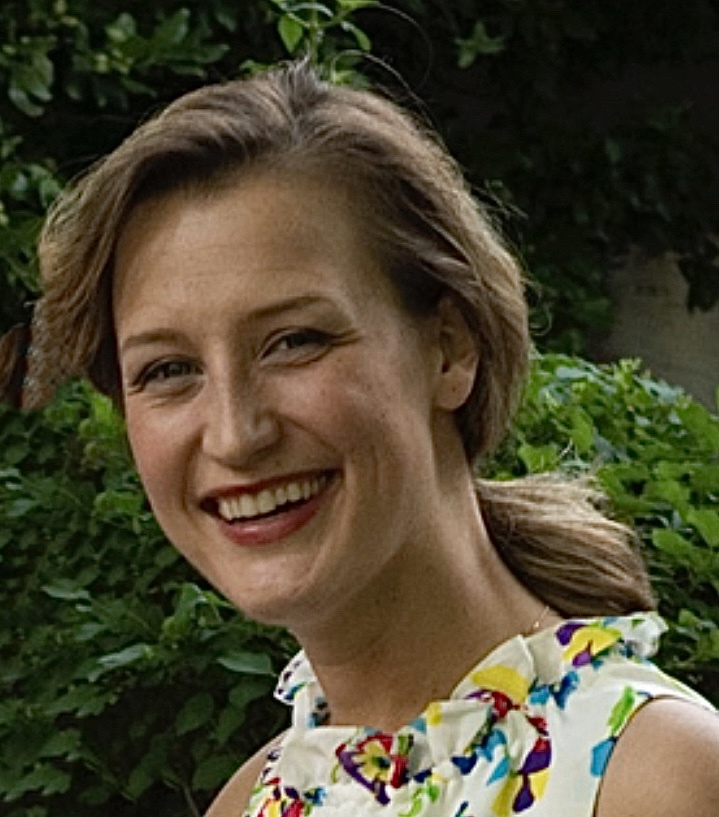
Principal Investigator: Dr. Victoria Duda
My Role: Research Coordinator
I coordinate research investigating cognitive enhancement, learning, and individual differences in cognitive abilities. My contributions include:
- Experimental Design: Contributing to study protocols and methodology
- Data Management: Organizing and preprocessing neurophysiological data
- Statistical Analysis: Advanced modeling of cognitive and neural data
- Technology Integration: Implementing new recording and analysis techniques
- Collaboration: Facilitating interdisciplinary research partnerships
Research Focus
The Cognition, Audition and Time Lab explores:
- EEG-optimized hearing aid programming: Using EEG gap detection protocols to improve hearing device programming for elderly populations (NSERC-funded)
- Hyperacusis treatment with sound therapy: Investigating hearing aid-based sound therapy treatments for abnormal sound sensitivity
- Educational accessibility for hearing loss: Working with AQEPA and AQEIPS to improve communication systems and accommodations for students
- Musicians’ hearing screening: Creating comprehensive multi-level auditory evaluation programs for hearing loss prevention in musicians
- tDCS for auditory dyssynchrony: Applying transcranial direct current stimulation to treat sound processing disorders
Key Methodologies
- Electroencephalography (EEG) and gap detection protocols
- Audiometric testing and hearing aid fitting
- Transcranial direct current stimulation (tDCS)
- Multi-level auditory screening programs
- Sound therapy and hearing aid programming
Vestibulab (Vestibular Research Laboratory)
Principal Investigator: Dr. Maxime Maheu
My Role: Research Officer (Agent de recherche)
I develop recording and analysis platforms for vestibular research. My contributions include:
- Platform Development: Created a posturography recording and stimulation platform (force-platform data acquisition, galvanic vestibular stimulation, and VR integration)
- Software Development: Developed MATLAB-based analysis programs for vestibular data, including vHIT trial review with automatic artifact detection
- Technical Integration: Multi-stream recording synchronization and VR software integration across systems
Research Focus
Vestibulab investigates vestibular function, balance, and movement perception:
- Vestibular assessment: Developing objective tools to assess vestibular function, including vHIT artifact detection and validation
- Posturography and galvanic vestibular stimulation (GVS): Recording balance responses and delivering controlled vestibular stimulation for research and rehabilitation
- Virtual reality for vestibular rehabilitation: Integrating VR to study and treat vestibular disorders
- Dizziness and balance disorders: Understanding the mechanisms of dizziness chronicity and balance deficits (e.g., Ménière’s disease)
Key Methodologies
- Posturography (force-platform recording)
- Galvanic vestibular stimulation (GVS)
- Video head impulse testing (vHIT) and automated artifact detection
- Virtual reality integration
- Multi-stream physiological recording and synchronization
Collaborative Environment
Inter-Lab Collaboration
Working across the three laboratories provides unique opportunities for:
- Cross-Domain Expertise: Combining auditory and cognitive research approaches
- Methodological Innovation: Sharing techniques and best practices
- Resource Optimization: Coordinating equipment and participant pools
- Interdisciplinary Projects: Developing research at the intersection of domains
University of Montreal Neuroscience Community
The three labs are part of the vibrant neuroscience community at University of Montreal, which includes:
- Research centers and institutes
- Graduate training programs
- Collaborative research initiatives
- Access to state-of-the-art facilities
Research Coordination Philosophy
As a Research Coordinator, I believe in:
- Rigorous Methodology: Ensuring the highest standards of experimental design
- Open Science: Promoting transparency and reproducibility
- Collaborative Research: Fostering productive partnerships
- Mentorship: Supporting student researchers and trainees
- Innovation: Embracing new technologies and approaches
Laboratory Websites
- The Tinnitus and Hyperacusis Research Laboratory: [University of Montreal Department Page]
- Cognition, Audition and Time Lab: [University of Montreal Department Page]
- Vestibulab (Vestibular Research Laboratory): [CRIR-IURDPM Laboratory Page]
Note: I serve as Research Coordinator and Research Officer and am not the Principal Investigator for these laboratories. Dr. Sylvie Hébert, Dr. Victoria Duda, and Dr. Maxime Maheu are the respective lab directors.